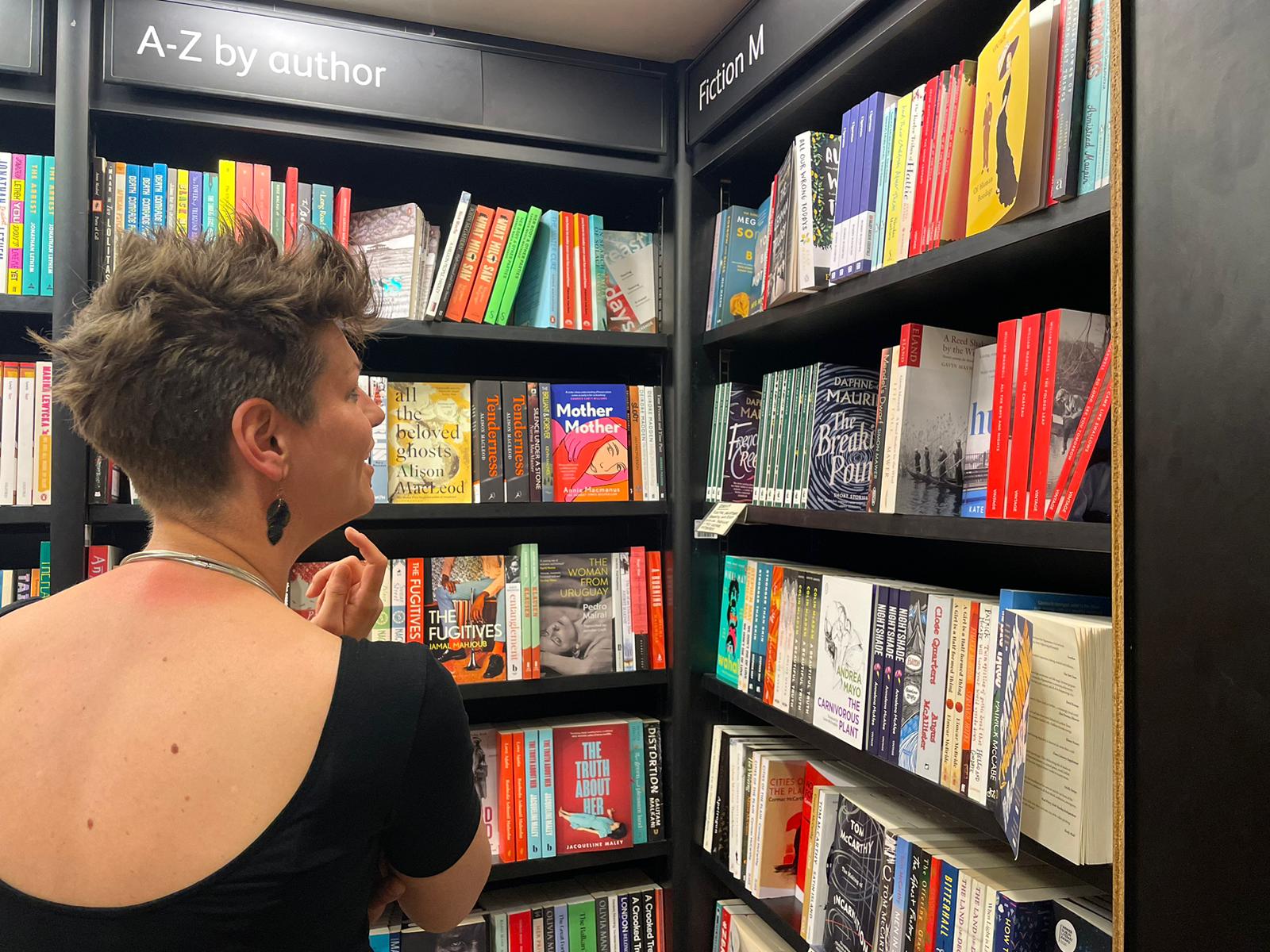

One of my biggest regrets in life is that I haven’t written a novel yet. I desperately want to, and that’s why I sometimes lock myself up in my room for hours on end, trying to write down lines that will change my life – indeed, change literature itself. So far, my creative flow has not been, er, flowing much. To make matters worse, I had to go on a school trip to England last week, which would distract me from writing my still very much non-existing novel. I decided to apply some wise words from Wes Anderson’s movie The Grand Budapest Hotel to this trip: if you’re an author, just observe and listen, and the stories will come to you. Want to know whether I returned with any grand ideas for a novel after this exciting, exhausting, existential-crisis-inducing week? Read on!
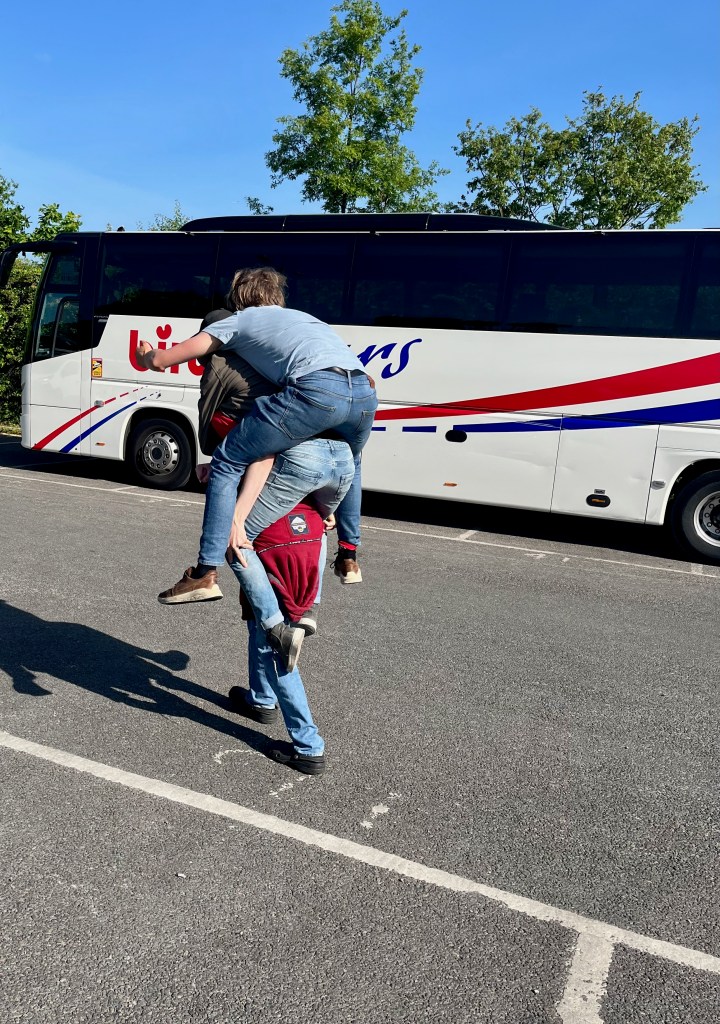
Every school trip starts in much the same way. We need to check whether all children are there, whether they’ve brought their passports (yes, one needs a passport to travel to the UK nowadays – but this subject has already been discussed endlessly in recent novels, so I will not go into this any further), whether they haven’t got any illnesses, brought any booze or drugs. Furthermore, we always have to make sure we won’t run over any crying parents who aren’t quite ready to say goodbye to their children and are swarming all over the place. Oh! I thought, while telling the bus driver that, yes, everyone was there so we could leave, wouldn’t it be a great idea to write a coming-of-age/adventure novel about a student who was overlooked? They would show up, an hour late, and find out that the bus had left without them. What they would do next was to travel to England by themselves, but they would be hindered by parents who would tell them it would be too scary to go there on their own. Also, all mobile phones would be out of service for some reason, so they would never quite know where to go. After days of searching for us, travelling by bus, train, plane, and on foot, losing a shoe and their sanity on their way, only helped by the fact we’d stay at this London district called Morden, we would finally meet up again at the very last day, when we would be ready to go back to the Netherlands. They would have learned so much about themselves and about the world, and would have trust issues for the rest of their life. The end.
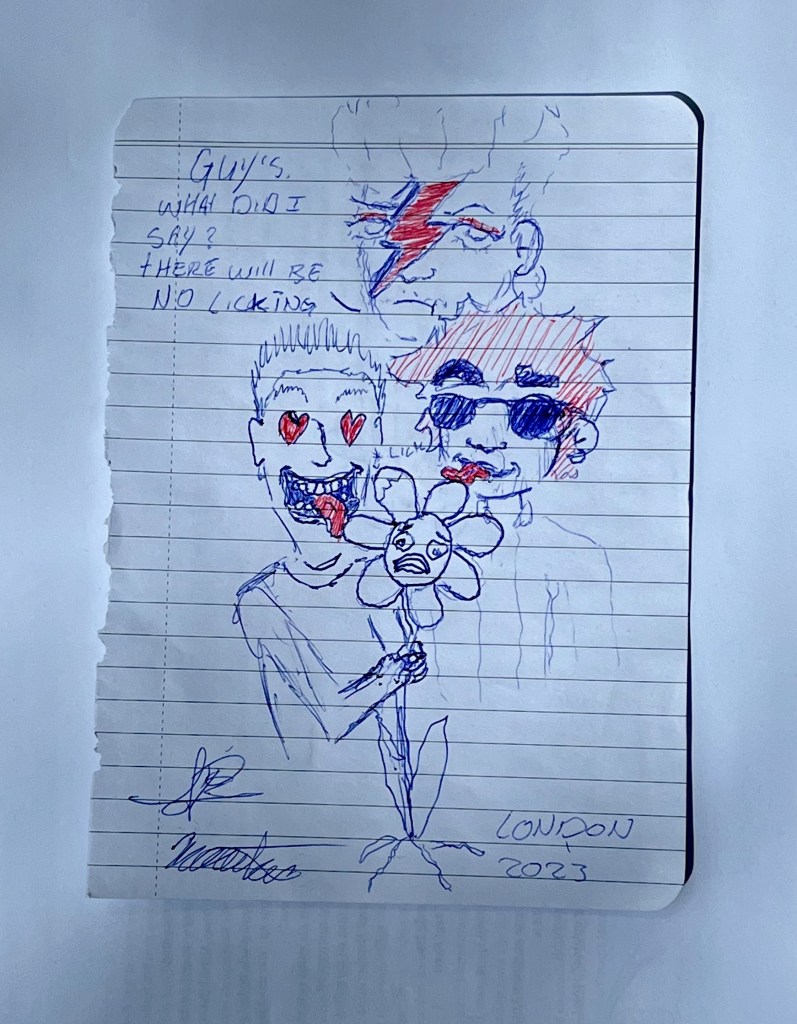
On the second day we walked for hours. Our chauffeur (now, there’s an interesting story! His boyfriend lives in London, and somehow this man joined us wherever we went – and our driver didn’t even bother asking us if that was ok; it was all quite strange) dropped us off at the Museum of London, and we would walk all the way back to Buckingham Palace, because we’d picked a route which would show us all of London’s most famous highlights. The children complained, said their feet hurt, that it took us way too long to get there, and we didn’t allow them enough time to take pictures of every single thing they saw. After a while, we walked into this little park, and one of the students said that there are quite a lot of poisonous plants in England. I then told him that it was time for one of my very strange and very specific rules that I made up on the spot and should never be taken out of context: “there shall not be any licking of plants.” Well, I soon came to regret that. They soon mock-licked anything that even remotely resembled a plant, and I was left laughing until I cried. They even drew a picture of us, them finally licking a very sad flower, and me looking very cross with them for having disobeyed this one rule. But then I realised that I could write a science-fiction zombie-apocalypse novel about this, with everyone who’d eat or lick anything plant-based turning into mindless monsters trying to wipe out society. Only a couple of intelligent scientists, who had conveniently locked themselves up in an underground base for days on end, trying to eradicate hunger (notice the similarities between these scientists and me trying to write my critically-acclaimed and wildly popular debut novel?) would manage to reverse this catastrophe by creating artificial food. Everything would soon turn back to normal, the scientists would be awarded the Nobel Prize in Medicine, and everyone would live happily ever after. But the world would change in one major aspect: there would never, forevermore, be any licking of plants. The end.
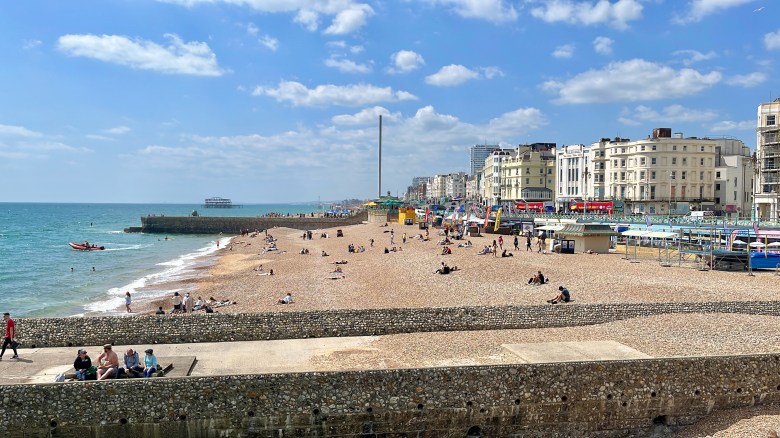
On Wednesday, day three, we went to Brighton, this lovely coastal town quite close to London. The sun was shining, the sea was calm, and the famous Brighton Pier looked just as shabby-but-charming as I had expected it to be. I assumed everything would be perfect. But nah, of course it wouldn’t. There were four students who had already proven themselves to be quite annoying. This time, they showed up an hour late. We decided to punish them by saying they could not leave this one table at the beach for five hours, while two of us, the teachers, went for a walk with the rest of the students. After a while, one of us would take over babysit duties. When it was my turn to make sure the boys would not leave, I had this great idea for a philosophical novel about how being forced to stay in the same place for hours on end would allow one to truly consider one’s predicament. What was it that had brought them to this specific place in this specific time? What, and who, had contributed to them turning out this way? Would there be only regret, or also hopefulness? Eventually, my novel would show that it would not be that hard to change one’s identity by thinking about everything for a good long while. Even those who live their lives by doing whatever they want, not minding anyone’s feelings for even a single second, would come to realise what their actions have meant for others. Eventually, humanity would change for the better. The end.
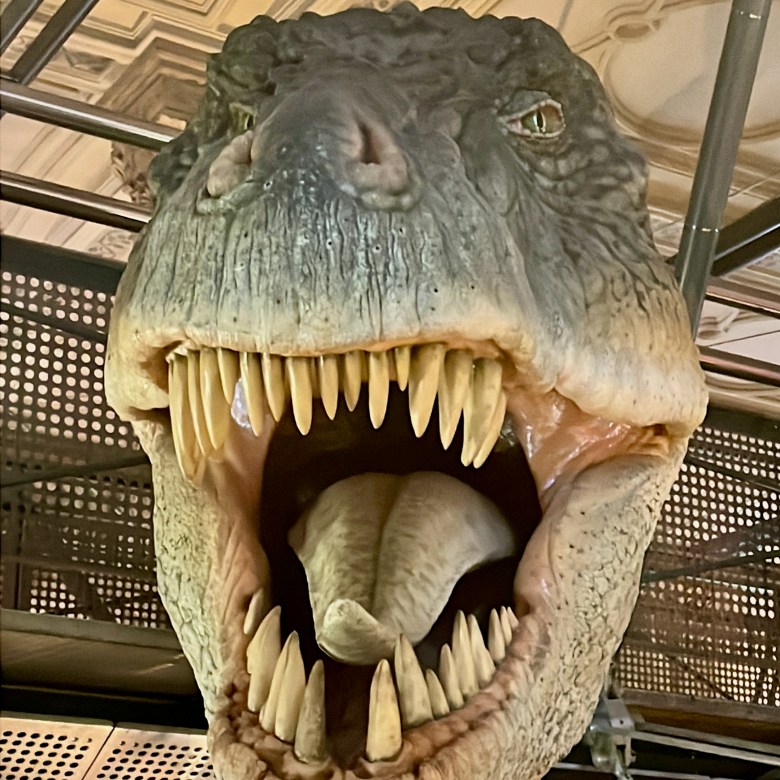
Thursday was museum day. I took a group of ten students with me to the Natural History museum – you know, the one with all the dinosaurs. It is located in this beautiful building in Kensington, and the moment we set eyes on it my students gasped. Once inside, the first thing we saw was a skeleton of a blue whale, and right after that a mount of a giraffe – my favourite animal. We did a dinosaur and mammal tour, and we were all so impressed by all these different animals. But what surprised me the most was how we didn’t know about dinosaurs until the nineteenth century. The word dinosaur, meaning terrible reptile, was coined (so Google tells me) by the controversial scientist Sir Richard Owen. I then thought about how I would do so much research that I could write a historical novel about this man and the discovery of dinosaurs. I would look up how science evolved drastically in the nineteenth century, and how our understanding of the world and ourselves changed with it. I would think I knew this Mr Owen so intimately that I would often talk about him as though he were a good friend of mine. My novel would show that Richard wasn’t very likable (for instance, he sometimes took credit for other people’s work), but somehow we’d all end up thinking of him as a hero of his time. Or would we? The end.
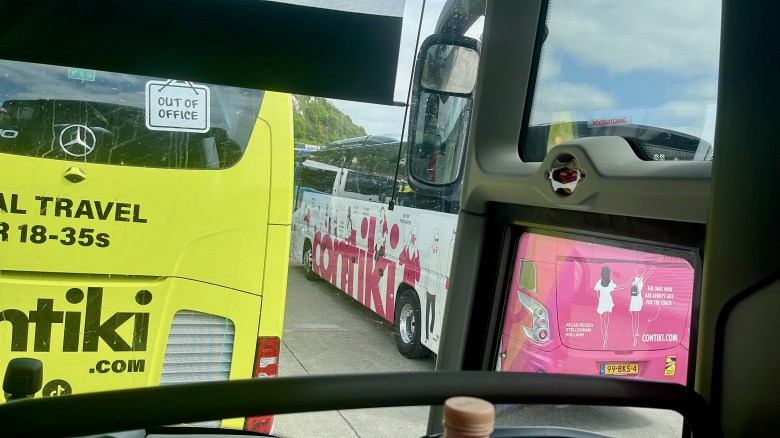
Finally it was Friday. We were tired. We had walked a lot, we had talked a lot (mostly about these boys, who simply refused to think long and hard about themselves and still behaved atrociously all the time – I’ll gift them my Great Philosophical Novel when it’s done), we had eaten too much and slept too little. The bus left at eight in the morning, and then we boarded the ferry from Dover to Dunkirk, then drove all the way back to Groningen. My brain was fried, and I didn’t get any ideas for the next great novel. Maybe I could write a stream-of-conscious novella about how the outside world reflects our innermost feelings. Maybe not. Maybe I should just leave the writing to those who are actually really good at it. Maybe I should just watch Wes Anderson movies instead of being inspired by them.
The end.
Which of these ideas could possibly turn into a great novel? Have you ever wanted to write one? If so, what would it be about? Do you ever feel like something you experienced could be turned into a bestseller? Do you know how hard it is to guide a group of 38 seventeen-year-olds through the city of London? Do you have any idea? Really? Would you mind reading this post, then? Please share any thoughts you have about my ideas in the comments down below! Also, don’t forget to follow me for more book-related posts!

 The Open Book