
Today is 8 March, a very important day for feminists all over the world. Today is International Women’s Day, which celebrates the cultural, social, artistic and scientific achievements of women. While I am an advocate of women’s rights and equality, my boyfriend isn’t as pleased with celebrating a day just for women. His reasoning behind this admittedly controversial opinion makes sense, for he claims that celebrating womanhood only emphasises just how much inequality there still is. My counterargument is that I will keep celebrating it until it becomes unnecessary to do so. So today, instead of focusing on books featuring strong female protagonists, I will focus on novels in which gender is both the most important theme of the book while at the same time irrelevant. Want to know which books I picked? Read on!
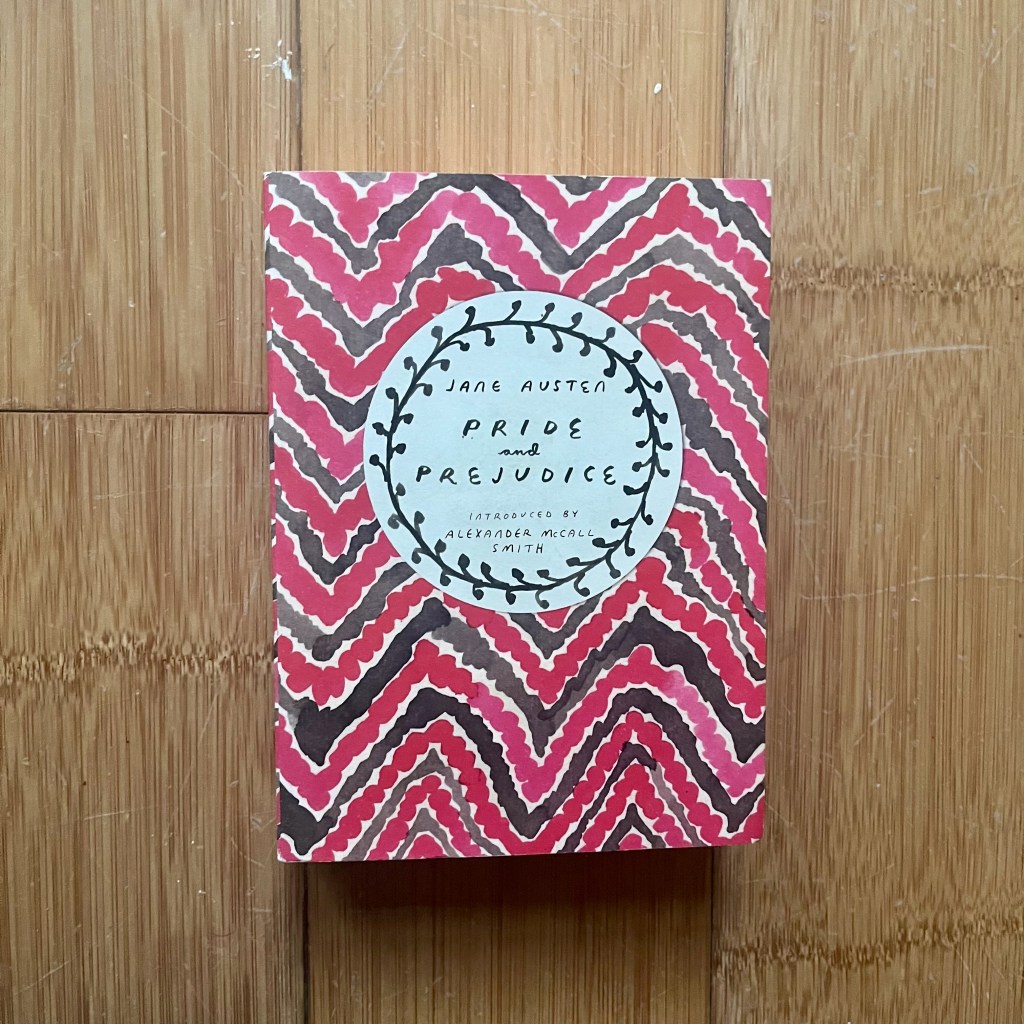
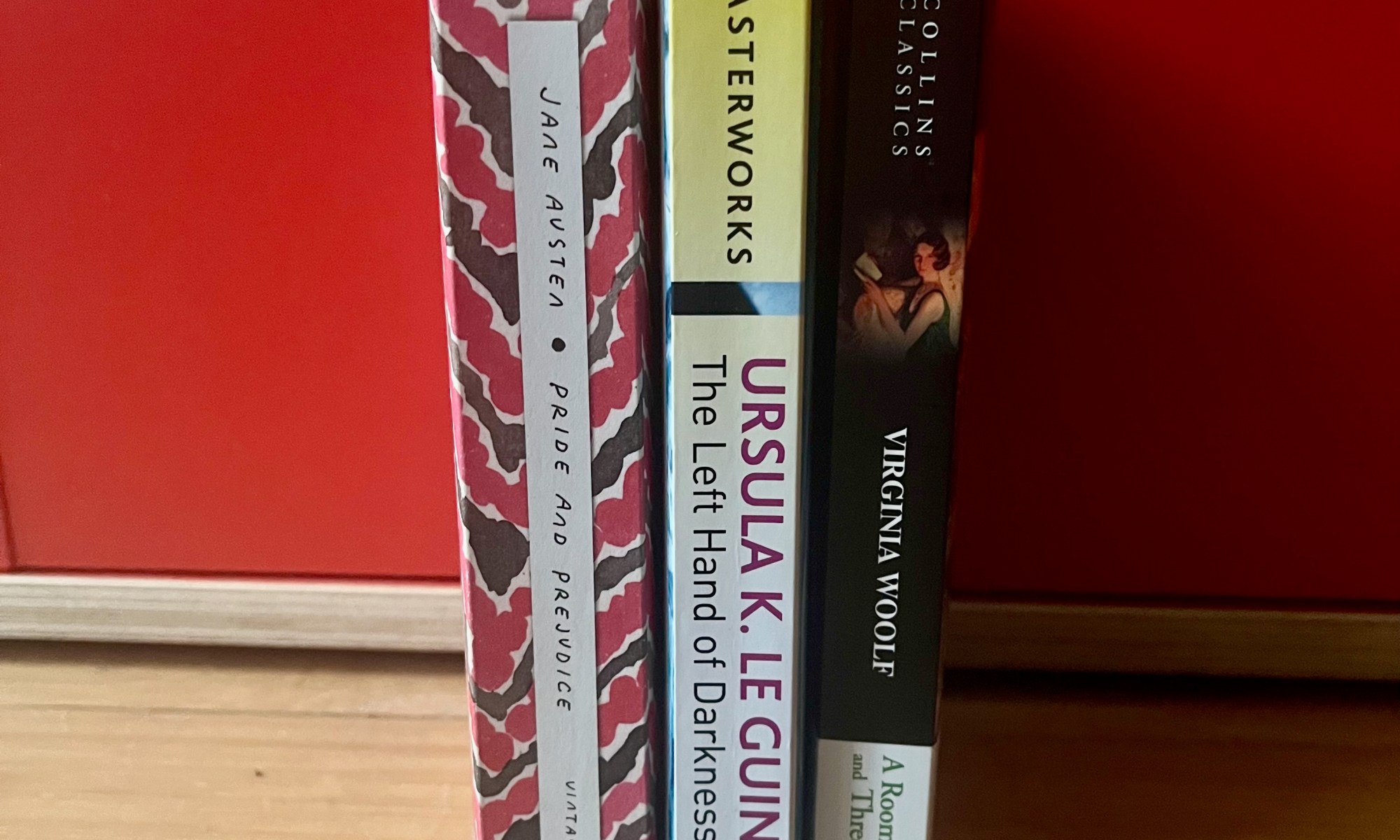
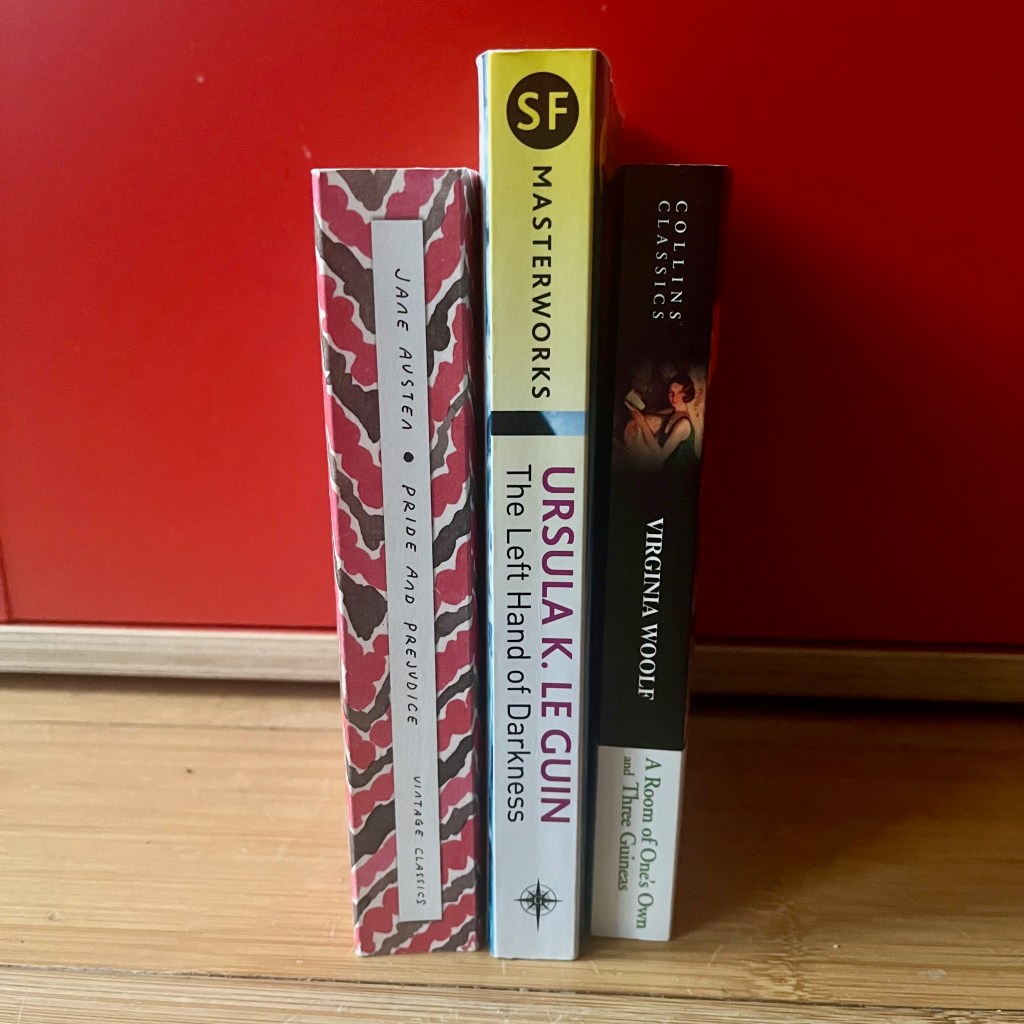
Let’s start by a book written over two hundred years ago. It is a truth universally acknowledged that a woman in possession of a good mind must still be in want of the same amount of respect as a man receives. This is a paraphrase of the opening sentence of Jane Austen’s 1813 novel Pride and Prejudice, which is about Elizabeth Bennet, an intelligent woman from an inferior family and therefore considered inferior herself, too. While Jane Austen’s novels quite adhere to the traditional gender roles which were common in the early nineteenth century, part of her famous novel is rebellious, too, for it challenged the idea that men are always superior to women. However, this novel is still very much a book about men and women and how they are supposed to live together.

Let’s skip a hundred years. In the 1920s, the world had changed almost unrecognisably from ten years earlier. There had been a World War, the Spanish Flu had raged, and women had acquired the right to vote. And with every major change in the world, art changes with it. Enter feminist and modernist writer Virginia Woolf, whose novel Orlando: A Biography defies not only gender roles, but also the idea of literary genre. Written as a love letter to Vita Sackville-West, her lover, Woolf implied that her novel was a proper biography. It is not, however. Instead, it is a description of Orlando’s several lives. Orlando is born a man in the sixteenth century, but is not limited by one life, or even one gender. Quite the contrary; somehow Orlando reincarnates every time, sometimes as a man, sometimes as a woman. While being a woman, she notices how society is built by men, and vice versa. Orlando can be read as Woolf’s vicious attack on gender roles, written in a time when addressing these issues was not nearly as accepted as it is nowadays.

Almost fifty years after Orlando and almost fifty years before our current time, Ursula K. Le Guin noted how unique her position as a female writer was in the male-dominated science-fiction genre. Her novel The Left Hand of Darkness explores the notion of being without genre; in it, Genly Ai, a citizen from Terra (Earth) travels to the planet of Gethen to make sure they’ll join a federation of planets. What’s special about the inhabitants of Gethen is that they do not have a gender, which has an influence on the way their society is run, and which causes a culture shock in Ai. With her novel, Le Guin explored the possibility of a society in which gender is irrelevant, and she claimed she wanted to find out what would be left of humanity if there were no such thing as gender.
The year is 2024 and it’s International Women’s Day. I know we shouldn’t celebrate this anymore, but it seems more important than ever that we acknowledge that there is still inequality between men and women, and that we should all make sure that we narrow this gap. Feminism and feminist literature comes in all shapes and sizes; sometimes we should focus on strong women who don’t need men to save them. However, the three novels I mentioned show that we don’t need to emphasise the differences between men and women. Instead, we should look at how, in essence, we’re all the same.
I said I wouldn’t focus on strong, independent female protagonists, this time. As you might have noticed, all of these books were written by strong, independent female authors. This was not a coincidence.
It’s International Women’s Day.
Do you consider yourself a feminist? Do you think we should pay more attention to inequality between men and women? Do you do anything to fight inequality and, if so, how? What is your favourite feminist novel? Do you know any other novels that focus on androgyny and gender fluidity? Please let me know in the comments! Also, don’t forget to follow me for more book-related posts!
P.S.: I am aware I only picked novels by white women, while feminism is by no means limited to white people. Please let me know if you know any novels about this topic witten by Black women. I will definitely add them to this post!
 The Open Book