
For the first time since I started this blog, I haven’t written anything in over a month. It’s not that I’ve been too busy doing all sorts of literary things. It’s not that I haven’t read anything. It’s just that I haven’t felt inspired to write anything, or when I attempted to, it never felt good enough. Maybe it’s writer’s block. Maybe it’s just the winter blues. Maybe I simply need to write something – anything – in order to restart myself. So here we go. Here are the books I’ve read recently, and here are the topics I’ve considered writing about.
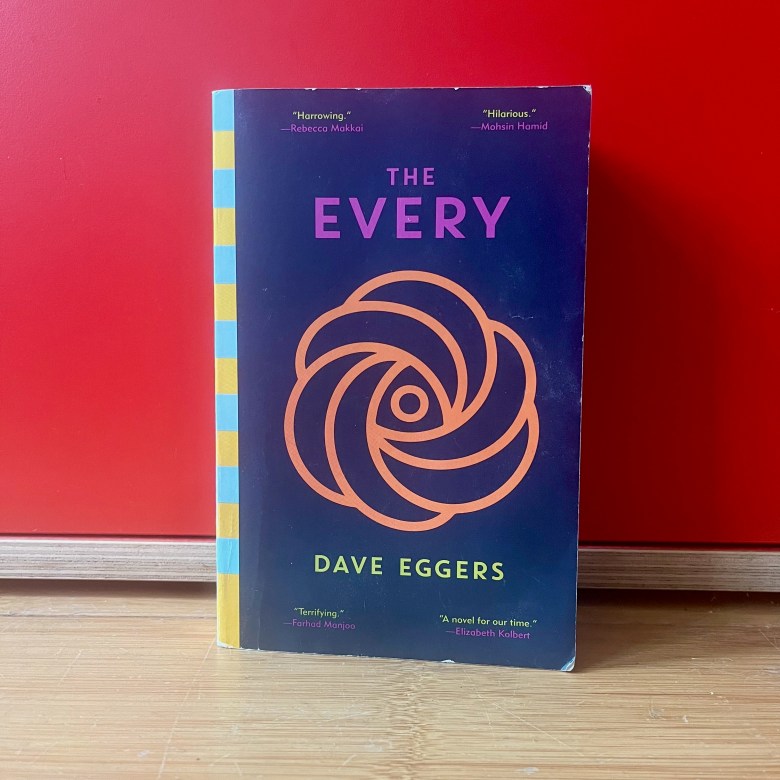
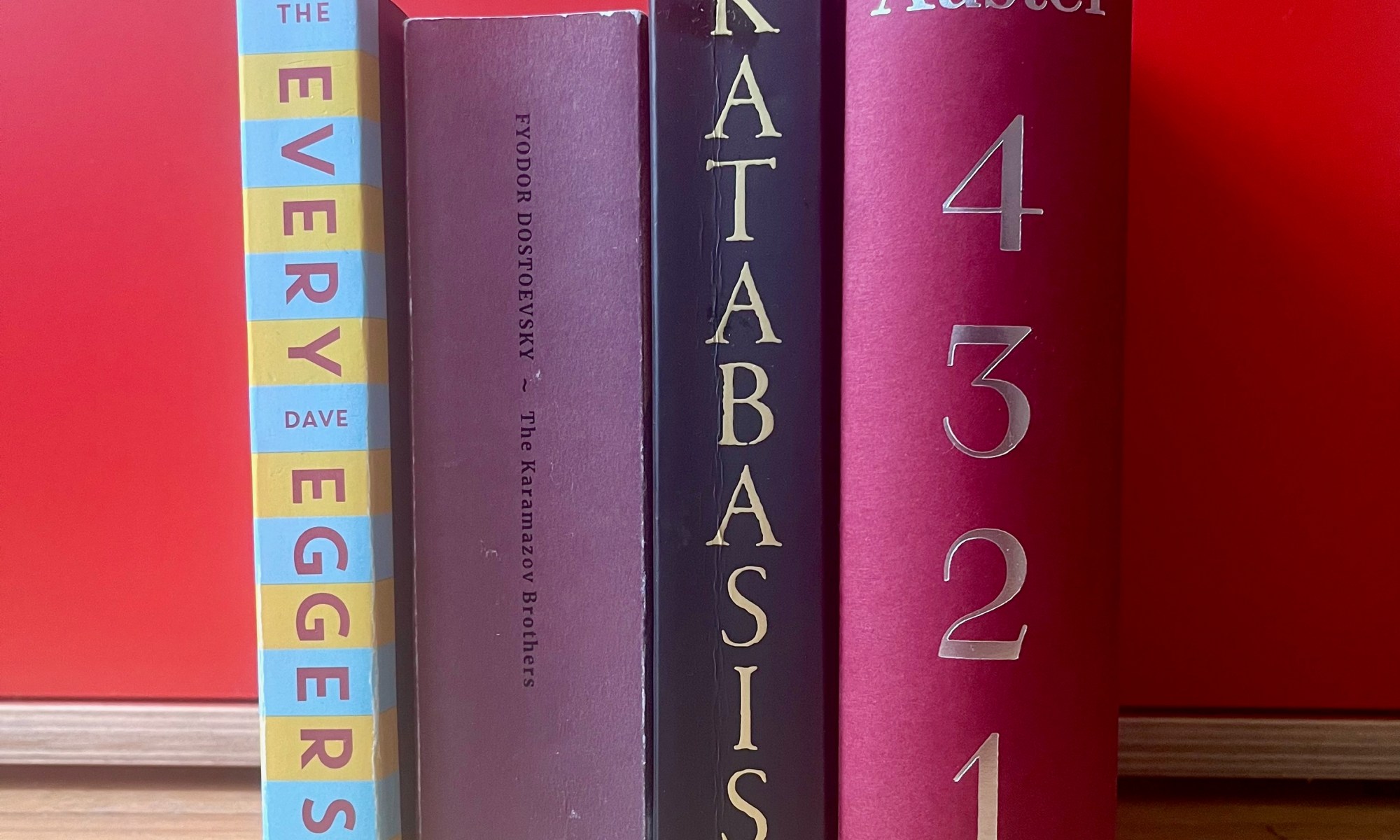
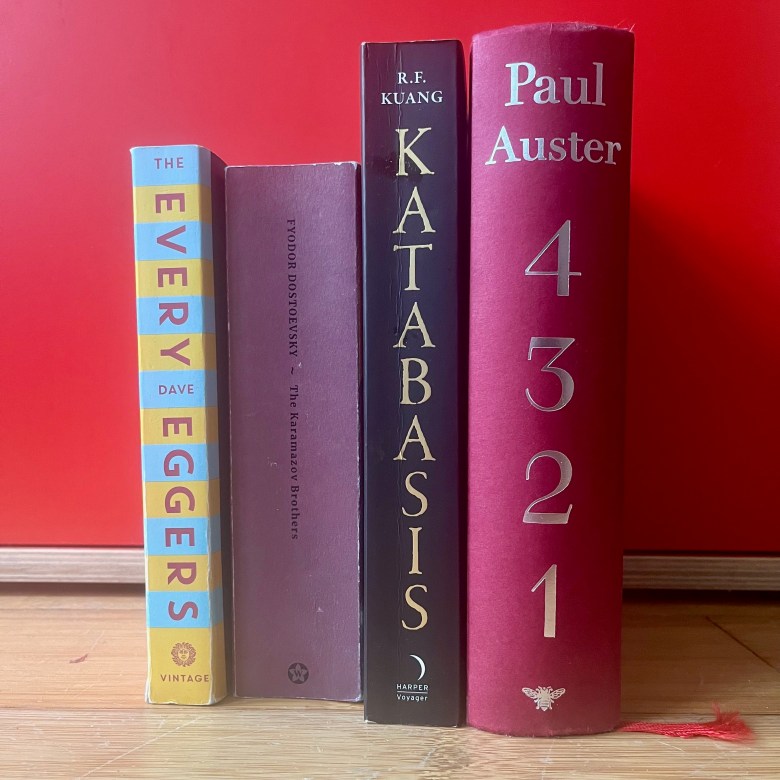
First there’s The Every by Dave Eggers. It’s the sequel to his highly popular novel The Circle, and is, like its predecessor, a satirical comment on modern society, focusing on Silicon Valley and its tendency to diminish people’s privacy and freedom of choice. I wanted to write about how the news mirrors the events in this book, and how this scares me. I wanted to write about the current President of the United States and his tech bro friends, and how their grasps on us increases on a daily basis, and how our identities, our appearances, even our thoughts seem to be influenced by these companies. However, whenever I’ve written something and I read it the next day, everything seems obsolete already because there’s so much going on in the world right now and I can’t keep up. Urgh.
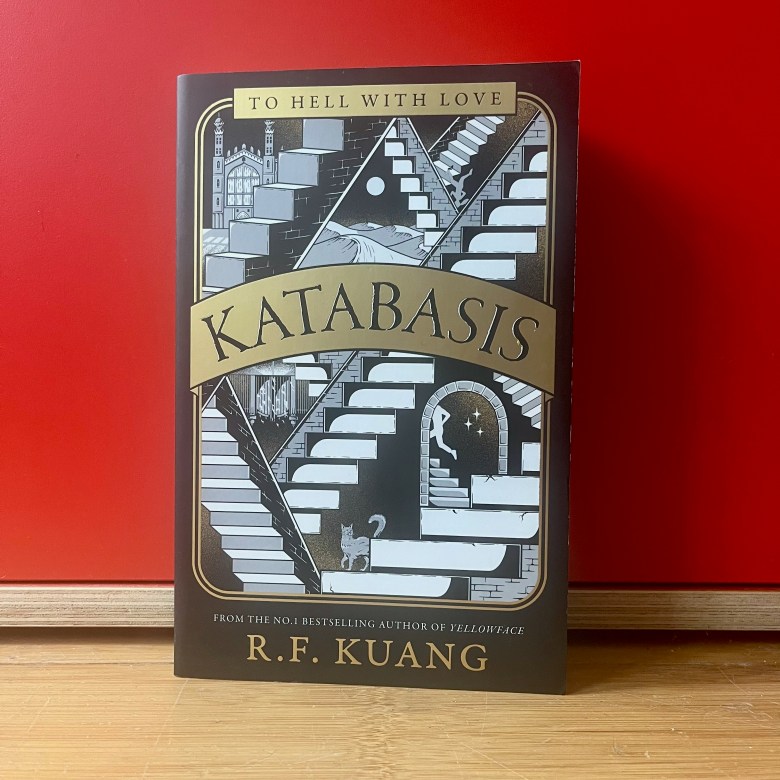
It was followed by Katabasis by R.F. Kuang. Oh, well. I had to read this book for my bimonthly book club, and I didn’t really want to. I’d already read her highly ambitious novel Babel, but I didn’t really like it. This one, however, was worse. It is about a graduate student who wanted to save her professor from the dead by travelling to Hell and back, and the colleague she hates joins her. It’s filled with obscure references to literary texts, and with an extremely obvious enemies-to-lovers trope. As the discussion leader of this boozy book club (why have I never written about this before?), I struggled coming up with ones that wouldn’t be too obviously opinionated. Needless to say, I failed. Thankfully, many of the group agreed with me, although some also said that it was fun to read a book just for its story instead of analysing it to bits. We discussed plot holes, Kuang’s annoying writing style, her frustrating tendency to show her audience just how clever she is, and, finally, what our personal hells looked like. That last bit was actually quite interesting. But when I started writing about this, it felt more like a personal rant on how much I disliked this book, rather than a literary analysis of it. It felt quite childish and petty. Much like Katabasis itself, really. Urgh.
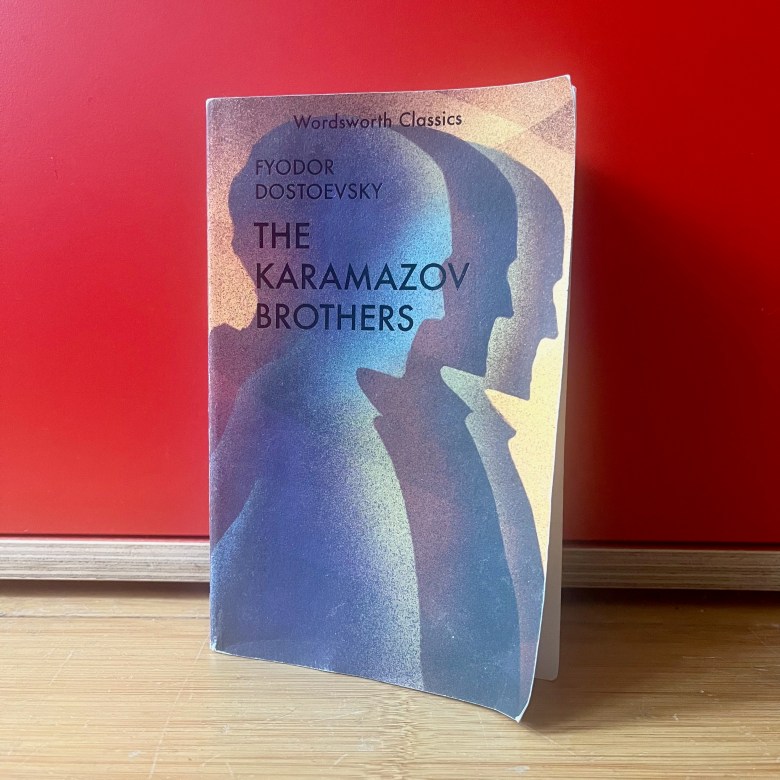
Up next: The Karamazov Brothers by Fyodor Dostoyevsky. It took me close to a month to finish this one, and I really had to push myself to keep going. This doorstopper is about three brothers and their murdered father (women hardly play a role in it, by the way, apart from being unwelcome distractions). It covers themes such as religion, philosophy, psychology, love, obsession, and Russia. I’d never read anything by Dostoyevsky before, but I’m glad I did. Apparently, he paved the way for countless twentieth-century writers, and that’s what I kept thinking about. I had some ideas about a blog post about how Dostoyevsky changed Western literature. In my mind, I started comparing reading this book to meeting someone new, someone who might seem enigmatic and strange at first, and challenging and complicated, but who then makes you see the world in a different way, and through them – without knowing how or why, exactly – you realise you will never be the same person, ever again. It started as a good idea, but somehow this metaphor also felt stale and stupid, and I couldn’t bear writing it down for it would probably feel embarrassing. Urgh.

I’m currently reading Paul Auster’s 4321. Don’t ask me why I’m reading an 800+ page novel so soon after Dostoyevsky’s epic, because I have no idea why I’m putting myself through it again (maybe it’s Dostoyevsky’s ghost whispering to me that all people (he would probably say all men) like torturing themselves). I do like it, though. It is about the parallel lives of Archie Ferguson and in each of them something small changes, which then changes other, bigger things, leading to a completely different story. Last year, I gave a lecture about Paul Auster’s final novel Baumgartner, and I made sure to read as many of his books as possible. I found out that he often uses the same themes in his novels, and the same is true of this one. And for the first time in weeks, I realise I’m excited about writing a new post. I’m going to write about 4321 in relation to Auster’s other books, and I’ll focus on events that happen in all of his books. It’s going to be fun and interesting and thorough, and I can’t wait to start writing.
Finally! I’m back! Now I just have to finish this novel, and then I’m good to go. Six hundred pages to go yet. Urgh.
Have you ever had writer’s block? When did you really want to do something but failed to do so? How do you get rid of your inner demons? Which of these abandoned blog posts would you like to read about? Please let me know in the comments! Also, don’t forget to follow me for more book-related posts!
 The Open Book