


I have always felt somewhat out of place in groups. For as long as I can remember, I have always found myself slightly out tune with others; I always had different interests, listened to other music, and never really dressed or looked like others. For years, I cared. Then I pretended I didn’t. Eventually I learned to embrace my quirkiness, and that feeling of unease only seldom rears its ugly head. When I recently had a meeting with a couple of fellow book lovers, I felt like I would truly belong there. Want to know if I did? Read on!
Unfortunately, I arrived half an hour late. That’s because I had a what should have been very relaxing morning at a spa, which was quite serene at one point but eventually turned out to be a hurry-up-please-or-I’ll-be-late-for-my-meeting morning. All my muscles which had, for two glorious minutes, felt rather smooth and relaxed, immediately tensed up again. Emotionally, I felt equally tense, because I started out as the odd one out; I was the only one who arrived late.
Thankfully, I could compensate by contributing to the conversation. We had gathered because this was the group who, last year, had their personal bookshelves showcased at the local library. Next month, there’s a literary festival, and we were asked to participate in it. There were several ideas: once again sharing our favourite books, or having others do the same thing, or do a black-out poetry course, or, well, many, many other things. I realised I blended seamlessly into this group of book lovers, and that I was having fun.
So when the meeting proper had finished, we decided to stay for a while to get to know each other a little bit better. Of course, the first topic was our favourite books. And that’s where I started to realise that maybe, just maybe, I was not quite the same as the others; where they preferred reading all the latest books and trends, or sticking to one particular genre, I like to think I am not limited by any such thing. When I told them about the best book I read last year, I said it must have been Daniel Keyes’ Flowers for Algernon, which was published in 1966. They had never heard of it before.

And then things got worse: one of them asked how much time we spend on taking pictures for our Instagram or BookTok pages. One of them said about four hours a week. Another said they spend perhaps days on their perfect video. Yikes, I thought, I consider my pictures an afterthought, something that supports my texts rather than the other way around (I am the only one with a blog, by the way). Thankfully, they soon grew tired of this topic, and I didn’t have to add to this conversation. Still, I started feeling insecure again; was I doing it all wrong? Did I not understand what it means to be a book lover?
The next conversation proved that I truly am the odd one out – for the meeting ended on the topic of how we treat our books. Some of the group said they treat their books as though they’re precious beings; books are being kept out of the sun, they are carried around in so-called book sleeves (which apparently one can buy) so they won’t be damaged. One of them said they buy two copies of each book; one for reading and annotating, and one they keep in pristine state. Some people read their books in such a careful way that they only slightly fold the cover so the book stays in pristine condition. And then someone said…
Someone said the first thing they did was to crack the spine of their new books. Otherwise, so they claimed, they would not be able to enjoy reading it. They continued by stating that the backs of some of their books had turned white because their spines had been cracked so often. Or worse, one of them shared with us that books started losing pages because their spines couldn’t support them any longer. That’s when I exclaimed:
“No, you can’t do that! That’s book torture!”
It was like watching a train wreck. I wanted to get up and leave, but somehow I couldn’t. I felt so bad for those books, that I didn’t know what to do. And then something dared asking about how we felt about book marks, and I said that I had at least a hundred piling up somewhere. I already closed my eyes, expecting to hear something terrible, and then the answer came: “I love dog-earing my books.”
And it turns out many of them did, too. That’s it, I was back to being the oddball, the eccentric, the weird one. I don’t buy two copies of the same book. Nor do I spend money on book sleeves. But least of all do I crack the spines of my books. I treat my books carefully, because I know there’s a treasure to be found in all of them. Somehow it felt like my fellow book lovers were more interested in the books’ covers, and how they look in an Instagram post, than in the meanings hidden inside it.
When I came home, and my boyfriend asked me how it was, I told him I didn’t quite know. Did I like enjoy spending time with my peers, or did they just remind me how different I was? At that moment, I felt like the latter. I felt like I was the worst book lover in the world. Now, however, a good long think later, I feel like it might be part of my strength; I’m the quirky, bouncy, short-haired, passionate, loud-laughtered book lover. Pictures are not my greatest strength, but I like to think I more than make up for that with my unique view on a wide variety of books. Some come join me!
What kind of book lover are you? Are you interested in the latest trends, or forgotten books? Do you read one particular genre, or are you an omnivore? How do you treat your books? And what is it about them that you love? Please let me know in the comments! Also, don’t forget to follow me for more bookish posts!
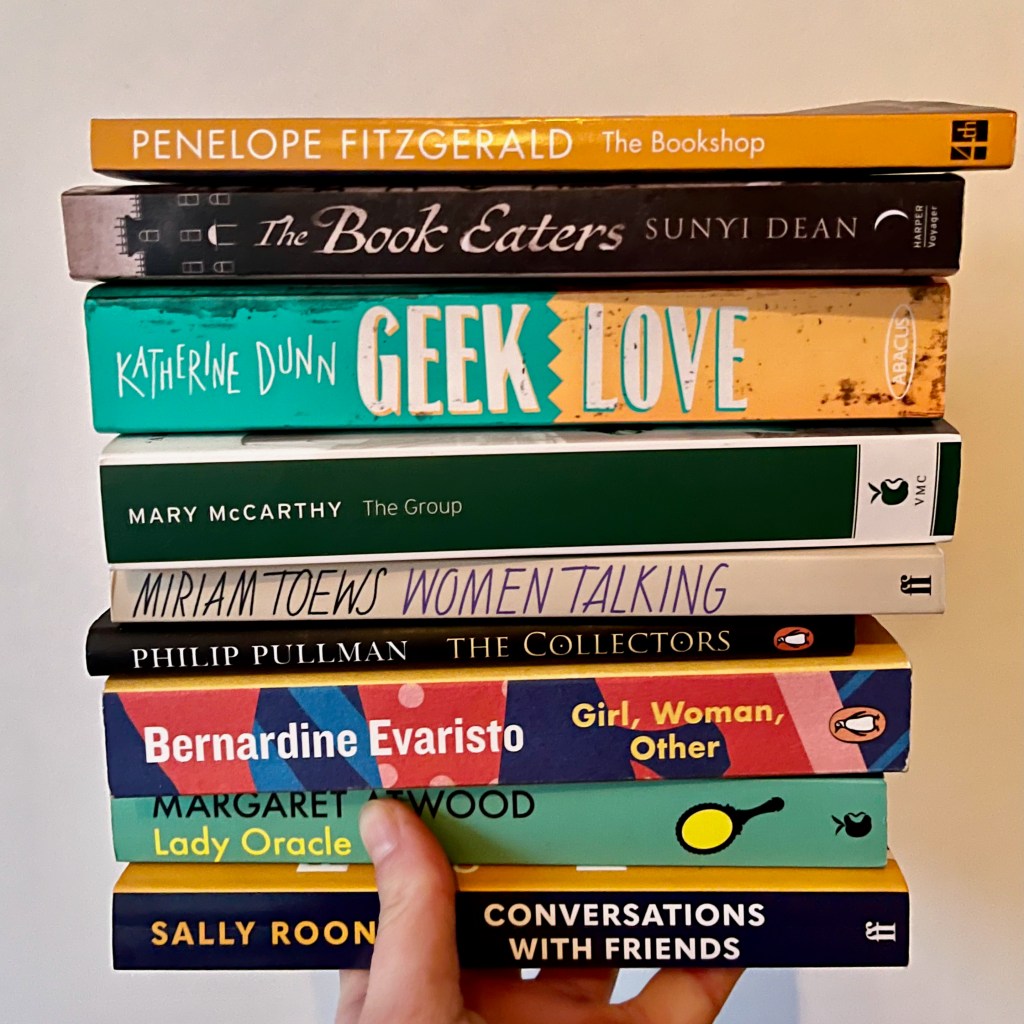
 The Open Book
Omnivore rrrrright here! I do treat my books as precious babies though. With the exception of books about Health or anything that has to do with my profession: then I use a marker (the horror!) or pen to underline, to highlight, to scribble anything that is important in those books.
LikeLiked by 1 person
Hahaha, as long as it’s only useful books!
LikeLike